Xplore Health
Discover the latest on health research

 What my genes say about me
 Health in mind
 HIV, the virus with multiple changing faces
 Obesity, a health problem
 Working for a malaria-free world
 Skin cancer, early detection saves lives
 Biotechnology, life with us
 The long and incredible story of a tablet
  Do we speak the same genome?
 How does air pollution affect our brain?
 Joining efforts to find the HIV vaccine
 Early life origins of obesity
 A shelter from malaria
 Skin cancer exposed
 Can you cure with cells?
 New drugs against new threats
  Reading the book of our DNA
 Understanding schizophrenia
 New paths against drug resistance
 Promoting healthy lifestyles
 Facing an underestimated malaria
 Looking for genes in the lab
 Plants to farm drugs
 New drugs to fight tuberculosis
 Participate in the research to find a vaccine for HIV!
 It takes guts
 Investigate a malaria vaccine
 Investigate a suspect skin growth
 Engineer skin!
 Produce a drug target!
 Use organisms to grow a drug against anaemia!
 Develop a drug!
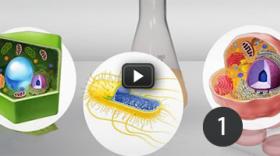 Check that you have the correct DNA sample for your research!
 Produce a protein using different organisms!
 Discover the organism that best produces the EPO protein!
 Synapse
 Stop AIDS
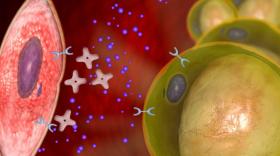 Help shrink belly fat
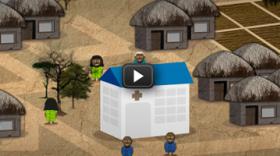 Stop Malaria
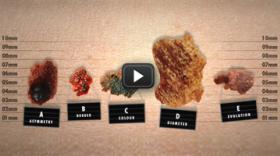 The Unusual Suspects
 Help me to cure Nadia's cancer!
 Develop a drug in this race against time!
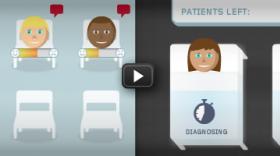 Become a doctor and give each patient the best treatment!
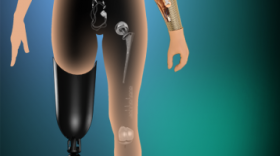 Become a medical engineer!
 Genomics: ethical issues
 Biotechnology and ethics
 Drug development and ethics
 Mental health: ethical issues
 HIV: ethical issues
 Obesity: ethical issues
 Malaria: ethical issues
 Skin cancer: ethical issues
 How are drugs developed?
 The biotechnology revolution
 Skin cancer exposed
 Toward a malaria-free world
 A crisis of fat?
 Towards AIDS eradication
 Rethinking mental health
 Down to the genes
Share your opinion and your experiences.
Visit XploreBlog
Programme about science communication and prevention on HIV/AIDS Developed by IrsiCaixa and the Foundation “la Caixa”

Discover all the secrets of Genetics!


Un mundo de actividades educativas a tu medida en www.educaixa.com










Comments (4)
Interesante información las proteínas del andamiaje que inducirá la diferenciación de las células madre en condriocitos.
La importancias de estas proteínas de inducción que transforman células en pluripotentes, es concepto que vimos y trabajamos, cuando en octubre de 2012 le dieron el Premio Nobel de Medicina y Fisiología a J Gurdon y S. Yamanaka., por el estudio de determinar los genes que pueden reprogramar células adultas a un estado similar a embrionarias: iPS (células pluripotenciales inducidas por sus siglas en inglés).
Tenemos en nuestro Fb, "Bioloxiamarole", varias entradas relacionadas con esto;
http://sociedad.elpais.com/sociedad/2012/10/08/actualidad/1349689694_107180.html
Post new comment